Showing posts with label Agriculture. Show all posts

Tuesday, 13 September 2022

Agriculture: A Victim of and Contributor to Climate Change

Just like any other human activity, the food we produce through traditional agricultural practices comes with a carbon cost. According to a recent statistic by Nature Food, global food production is around 17 billion metric tons, equivalent to about 25% of greenhouse gas emissions annually. While animal-based foods produce 57% of emissions, plant-based ones contribute to nearly 29% of the emissions. Emissions from agricultural production are set to increase in the coming years, owing to the rapid use of fertilizers and pesticides to enhance crop yield, growing need to raise livestock, exploitation of water resources, etc.

Various agricultural practices such as the application of synthetic and organic fertilizers on soils, growth of nitrogen-fixing crops, drainage of organic soils, and irrigation practices lead to the increased emissions of nitrous oxide, which account for just over half of the greenhouse gas emissions arising from the sector. Among the crop category, rice farming accounts for around 12% of the total emissions, followed by wheat, sugarcane, and maize production. Besides, livestock produces methane as a part of their normal digestive process, representing over a quarter of emissions in the agricultural sector. Other smaller sources of GHG emissions from the agriculture sector include burning crop residues, rice cultivations, liming and urea applications, etc. Beef production is the top emission contributor, accounting for 25% of the total greenhouse gas emissions, followed by cow milk, pork, and chicken meat.

In terms of region, South and Southeast Asia are the top emitters of greenhouse gases from the agricultural sector. Countries like China and India have large populations, which drives the need for more land conversion to derive agricultural products. South America has the highest per capita emissions due to its relatively large production of meat, particularly beef.

Nitrous Oxide and Methane Emission and Trends

Nitrous Oxide is 300 times more potent than carbon dioxide at heating the atmosphere and takes 114 years to disintegrate in the sky. About three-quarters of the nitrogen emissions come from the agriculture sector. In the last four decades, nitrogen dioxide emissions have increased by 30%, primarily because of farmers' abundant use of synthetic fertilizers to boost crop production. When farmers utilize large batches of fertilizers, plant roots are not able to absorb all of it. Soil microbes convert the remaining fertilizer from ammonia to nitrite, then nitrate, and finally, N2O as a by-product.

Precision agriculture techniques and remote sensing technology can help farmers determine where and how much fertilizer to use, reducing nitrogen dioxide emissions. Another way to limit N2O emissions is to use nitrification inhibitors that suppress the ability of microbes to turn ammonia into nitrate, thus impeding the creation of N2O and retaining nitrogen in the plant for an extended period. The organic way is to encourage the growth of desirable microbes that already exist in the soil for a greater amount of natural nitrogen fixation by cutting down the use of pesticides. Microbes produce less nitrous oxide in high-oxygen environments; hence no-till systems can result in more organic carbon storage. Integrating drip irrigation with reduced tillage can reduce lower NO2 emissions by 70% compared to conventionally managed farmlands.

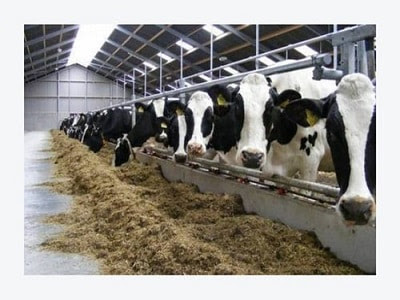
Methane is a primary contributor to the formation of ground-level ozone, responsible for trapping heat and leading to global rising temperatures. Methane is 80 times more potent at warming than carbon dioxide and causes 1 million premature deaths every year. Ruminant livestock such as cattle, sheep, buffalo, goats, deer, and camels have microbes that digest coarse plant material and release methane as a by-product; hence they are considered the primary source of methane emissions. The unstipulated demand for animal protein arising from rapid population growth, economic development, and urban migration is expected to increase by up to 70% by 2050, which would further lead to more methane emissions. To reduce the belching problem, farmers are shifting to feed additives that interrupt the microbial process in cows' gut.

Rice cultivation accounts for nearly 12% of methane emissions and 1.5% of GHG emissions. Methane is emitted by the microbes in rice paddies that respire just like humans. Rice paddies are grown in flooded fields, and the amount of water blocks the oxygen from getting to the soil, creating a perfect condition for bacteria that release methane. As the global demand for rice increases alongside the rising human population, the total methane emissions will expand. Vietnam is working in collaboration with the Coordinating Committee on Agricultural Chemicals (CCAC) to teach farmers to use alternate wetting and drying methods to reduce water consumption and methane emissions by 48% while increasing crop yields. Switching to more heat tolerant rice varieties, draining rice paddies mid-season, and using different fertilizers can reduce methane emissions.

How is Climate Change Affecting Agriculture?

Agricultural production and climate change are inextricably linked. As Earth gets hotter, farming becomes difficult, which pushes farmers to clear even more land to grow food. Climate change is adversely impacting food security and terrestrial ecosystems and contributing to desertification and land degradation in many parts of the world. The unprecedented surge in temperature has led to an increased incidence of droughts, floods, irregular precipitation patterns, heat waves, and other extreme happenings, whose impact is visible on the agricultural sector. Abrupt changes in climatic conditions at a rapid pace have threatened food security at a global scale.

Forests act as a sink to the increasing amount of carbon dioxide in the atmosphere, but clearing forest land for more crop area has imbalanced the natural process of the carbon cycle. The high carbon footprint has induced an uneven climate pattern impacting agricultural production. Moreover, climate change is resulting in desertification and nutrient-deficient soil due to erosion from wind or water during floods, droughts, etc. According to a Global Assessment of Land Degradation and Improvement (GLADA), a quarter of land on the Earth is characterized as degraded. Over 15 billion tons of fertile soil are lost annually due to anthropogenic activities and climate change. Flood incidences have significantly increased in recent years, resulting in the washout of topsoil and nutrients from the soil, leading to low productivity for several years. The climate-related disturbances are impacting food distribution, quality, and access.

How could the Future of Sustainable Farming Look Like?

Rising global emissions will only exacerbate the challenges and create more severe food shortages, making global emissions impossible. The international climate policy under the Paris Agreement's goal of restricting the increase in global average temperature to well below 2°C above preindustrial levels has increased scrutiny on the role of players in the agriculture sector for climate change mitigation.

Here are some innovative farming practices that could change the future of agriculture.

Organic Farming 

Organic farming includes eco-friendly agricultural practices without the use of synthetic fertilizers or pesticides. Many studies demonstrate that eliminating synthetic nitrogen fertilizers could lower direct global agricultural greenhouse gas emissions by up to 20%. Chloropicrin, one of the commonly used fumigant pesticides, can increase nitrogen dioxide emissions by 700-800%. Organic farming helps stabilize soil organic carbon and reduce nitrous oxide emissions. As stewards of healthy soil, organic farmers can build healthy soil and crops that can adapt to a changing climate. The sustainable agriculture practice can increase water percolation by 15-20%, which can help enhance crops' productivity in extreme weather like drought and flooding. The worldwide adoption of diversified organic farming could help absorb more carbon than the agricultural sector releases. Government of countries such as Australia, Argentina, China, and United States are supporting organic agriculture financially more than others for more environment and public benefits, improvements to animal welfare, and better food quality and nutrition. Besides, the growing demand for organic food among consumers are pushing major food corporations to support the organic production and availability of organic food.

Green Vertical Farming 

Vertical farming refers to the practice of growing food indoors in vertically stacked layers with full recycling of waste and emission reduction from energy use improvements at its core. Green vertical farming can reduce 70% less carbon dioxide compared to open field agriculture and provide additional benefits of 90% less land use and 80-90% less water use. Vertical farming reduces land use, maximizes space, increases productivity per unit area, and addresses challenges such as deforestation and biodiversity loss. Since vertical farms are constructed in or nearby urban areas, the distance from farm to market is reduced considerably. Countries in the Middle East region are employing green vertical farming to increase food security and reduce dependency on other nations for agricultural goods. Recently, Emirates have opened 330,000 sq. ft. facility with an investment of USD40 million to yield over one million kilograms of leafy greens annually. More such initiatives by the government and private organizations could lead to their increased adoption in the coming years.

Cellular Agriculture

Cellular agriculture might be the perfect sustainable solution to meet the expanding demand for beef and other ruminant meats. As consumer preferences are shifting towards more deliberate food choices, cellular agriculture can play an essential role in fulfilling nutritional requirements while taking pressure off the current food production system. Cellular agriculture involves using cells from plants and animals to make agricultural products like seafood, dairy, and other protein-rich foods. Techniques such as precision fermentation and tissue engineering are employed to make cell-based or cultivated meat. Cellular agriculture can result in a dramatic reduction in animal use and slaughter and conserve the enormous amounts of resources required to feed plant protein to the animals to produce animal proteins.

According to TechSci Research report on “Regenerative Agriculture Market- Global Industry Size, Share, Trends, Competition, Opportunities and Forecast, 2017-2027, Segmented By Practice (Holistic Planned Grazing, Agroforestry, Pasture Cropping, Silvopasture, Agroecology, Aquaculture, Others), By Application (Biodiversity, Nutrient Cycling, Carbon Sequestration, Others), By Region”, the regenerative agriculture market is expected to register an impressive growth in the forecast period. The market growth can be attributed to the rising awareness towards the importance of soil health management, climate change, and soil conservation.

According to another TechSci report on “Precision Fermentation Market - Global Industry Size, Share, Trends, Opportunity, and Forecast, 2017-2027 Segmented By Ingredient Produced (Whey & Casein Protein, Egg White, Collagen Protein, Heme Protein, Others), By Microbes (Yeast, Algae, Bacteria, Others), By End User Industry (Food & Beverage, Pharmaceutical, Cosmetic, Others), and By Region”, the global precision fermentation market is expected to grow at a formidable rate during the forecast period. The market growth can be attributed to the decreasing dependency on animal-based food products and rapid adoption of sustainable agricultural practices to address issues like climate change and land degradation.

According to another TechSci Research report on “Cellular Agriculture Market – Global Industry Size, Share, Trends, Opportunity, and Forecast, 2017-2027, Segmented By Technology (Cell Lines, Growth Media, Scaffold Materials, 3D Tissue Systems, Others), By Application (Dairy Products, Gelatin, Fish, Insects, Others), By End User Industry (Food & Beverages, Textile, Pharmaceuticals, Others), and Region”, the global cellular agriculture market is anticipated to register robust growth during the forecast period. The market growth can be attributed to the increasing dependence for animal-based food products from various end-user industries such as food and beverages, pharmaceuticals, textiles, etc.

Friday, 18 February 2022

India Animal Feed Supplements Market to Establish Growth with Impressive CAGR Until FY2027 | TechSci Research

India Animal Feed Supplements Market is expected to show robust growth due to increasing investment in animal healthcare in the forecast period, FY2017-FY2027.

India Animal Feed Supplements Market - TechSci Research
According to TechSci report on, “India Animal Feed Supplements Market, By Region, Competition Forecast & Opportunities, FY2017 - FY2027”, India animal feed supplements market has shown promising growth in historical years until FY2020 and is expected to continue its growth in upcoming forecast years FY2023 to FY2027. India animal feed supplements market owes its growth to the factors like rapidly increasing ruminant population of the country. Also, growing meat consumption, and surging demand for the milk products is further driving the growth of the India animal feed supplements market in the next five years.

Additionally, increasing awareness among the population and growing concerns regarding animal health and to increase higher yield for the animal produced products is further expected to support the growth of the India animal feed supplements market in the future five years. Recent outbreak of pandemic due to widespread COVID-19 virus, also increased concerns over livestock diseases and thus associated safety concerns are also substantiating the growth of the India animal feed supplements market in the forecast years until FY2027.

Moreover, increasing exports of the animal products like milk, meat, etc. further aid the growth of the India animal feed supplements market in the forecast period. Furthermore, increasing prices of raw material like maize, barley, wheat, etc. along with the stringent regulation toward quality assurance of the animal feed may hinder with the future growth of the India animal feed supplements market.

Browse over XX market data Figures spread through 70 Pages and an in-depth TOC on "India Animal feed supplements Market"

https://www.techsciresearch.com/report/india-animal-feed-supplements-market/8223.html

The India animal feed supplements market segmentation is based on source, product type, livestock, form, competitional landscape, and regional distribution.

Based on source, the market is further fragmented into natural and synthetic. Natural sources are anticipated to hold the largest revenue shares of the market and dominate the market segment in the upcoming five years on the account of increasing demands for organic animal produces. Increasing demand for the healthier diet for the animals is further driving the growth of the India animal feed supplements market in the next five years.

Synthetic sources are also anticipated register significant growth in the future five years on the grounds of increasing research and advancement in the animal feed productions. Synthetic sources are actively utilized with the optimum measure of the nutrient supply to the animals through their feed, thus substantiating the growth of the India animal feed supplements market in the forecast years, until FY2027.

Download Sample Report https://www.techsciresearch.com/sample-report.aspx?cid=8223

Customers can also request for 10% free customization on this report.

Based on product type, the market is segmented into amino acids, phosphates, vitamins & minerals, enzymes, antibiotics, and others. Amino acids are anticipated to dominate the market segment in the next five years on the grounds of increasing demand for the healthier and protein enriched diet for the animals. Amino acids are the building blocks of protein. To provide protein enriched animal feed such that higher yields can be obtained, the sub-segment flourishes and drives the growth of the India animal feed supplements market in the upcoming five years.

Antibiotics are also expected to register fastest growing CAGR value in the next five years due to their increased adaptation as animal feed supplement. Increasing concerns over animal welfare and due to increased health concerns, animals are fed antibiotics such that their immune system stays strong and livestock diseases can be avoided. These factors are expected to drive the growth of the India animal feed supplements market in the forecast years too.

The market segmentation based on livestock is bifurcated into ruminants, poultry, swine, aquatic animals, and others. Ruminants are expected to dominate the market segment in the next five years on the grounds of increasing demands for the milk and milk products. Increasing population of ruminants in the country is another driving factor that drives the growth of the India animal feed supplements market in the forecast period. Poultry is expected to register significant growth due to increasing demand for the chicken meat, and derivative products in the upcoming five years.

A partial list of market players in the field includes:

  • Vinayak Ingredients India Pvt. Ltd.
  • ADM Agro Industries India Pvt Ltd
  • BASF India Ltd.
  • Cargill India Pvt. Ltd.
  • Evonik India Private Limited
  • DSM India Private Limited
  • Nutreco-West Coast Group

Press Release: https://www.techsciresearch.com/news/6838-india-animal-feed-supplements-market-to-establish-growth-with-impressive-cagr-until-fy2027.html

“Increasing research and technological advancement in the animal feed products is driving the growth of the India animal feed supplements market in the upcoming five years. Surge in the demand for the healthier animal produce further supports the market growth. Also, due to increasing exportation of the animal produce the market is bound to grow in future five years,” said Mr. Karan Chechi, Research Director with TechSci Research, a research based global management consulting firm.

India Animal Feed Supplements Market By Source (Natural v/s Synthetic), By Product Type (Amino Acids, Phosphates, Vitamins & Minerals, Enzymes, Antibiotics, Others), By Livestock (Ruminants, Poultry, Swine, Aquatic Animals, Others), By Form (Dry v/s Liquid), By Region, Competition Forecast & Opportunities, FY2027 has evaluated the future growth potential of India animal feed supplements market and provides statistics & information on market size, structure and future market growth. The report intends to provide cutting-edge market intelligence and help decision makers take sound investment decisions. Besides, the report also identifies and analyzes the emerging trends along with essential drivers, challenges, and opportunities in India animal feed supplements market.

Browse Related Projects:

Kenya Floriculture Market By Flower Type (Cut Flower, Loose Flower, Bedding & Garden Plants, Potted Flowering Plants, Foliage Plants), By Distribution Channel (Retail, Florists, Supermarkets/Hypermarkets, Online, Others), By Application (Aesthetic & Decorative Purposes, Flavors & Fragrances, Natural Colors, Medicines, Others), By End Use (Personal, Institutions/Events, Hotels, Restaurants & Spas, Industrial), By Region, Competition Forecast & Opportunities, 2026

https://www.techsciresearch.com/report/kenya-floriculture-market/7922.html

Saudi Arabia Organic Farming Market By Type (Pure Organic Farming v/s Integrated Organic Farming), By Method (Crop Rotation, Polyculture, Mulching, Cutting, Composting, Weed Management, Soil Management, Others), By Land Area (Up to 1 Hectare, 1.1-5 Hectare, 5.1-10 Hectare, 10.1-30 Hectare), By Ownership (Contract Farming v/s Inhouse), By Crop Type (Oilseeds & Pulses, Cereals & Grains, Fruits & Vegetables, Others), By Region, Competition Forecast & Opportunities, 2026

https://www.techsciresearch.com/report/saudi-arabia-organic-farming-market/8074.html

Contact

Mr. Ken Mathews

708 Third Avenue,

Manhattan, NY,

New York – 10017

Tel: +1-646-360-1656

Email: sales@techsciresearch.com

Website: https://www.techsciresearch.com/

For More Market Research Blogs Visit: https://techsciblog.com/

Commercial Greenhouse Market to be Dominated by Plastic Greenhouse through 2027 | TechSci Research

Adoption of greenhouse automation technologies and rise in research and development activities are expected to drive the growth of the global commercial greenhouse market in the forecast period, 2023-2027.

Commercial Greenhouse Market - TechSci Research
According to TechSci Research report, Commercial Greenhouse Market - Global Industry Size, Share, Trends, Opportunity, and Forecast, 2017-2027, the global commercial greenhouse market is anticipated to grow at a steady rate in the forecast period, 2023-2027. Commercial farming facilitates the growth of seasonal vegetables, and the seasons can be extended to make up for demand and increase the agricultural yield. Different types of plants can be grown on different shelves and spaces, ensuring the effective utilization of space in commercial greenhouse farming. Space utilized in commercial greenhouse systems is done based on needs, and the plants are separated from each other using separation walls, levels, and hydroponics. The farmers use the commercial greenhouse to produce the products with a shortage of supply, thereby giving the market players the opportunity to produce marketable products.

However, high initial set-up cost and requirement of precision technology for a controlled environment may restrain the growth of the global commercial greenhouse market in the forecast period.

Browse over XX market data Figures spread through 110 Pages and an in-depth TOC on "Global Commercial Greenhouse Market"

https://www.techsciresearch.com/report/commercial-greenhouse-market/8248.html

The global commercial greenhouse market is segmented by product type, type, equipment, regional distribution, and competition landscape.

On the basis of product type, the global commercial greenhouse market is divided into fruits, vegetables, flowers & ornamentals, among others. The vegetable segment is expected to witness the fastest incremental growth in the forecast period, 2023-2027. The commercial greenhouse is a boon for vegetable farming as it helps grow vegetables around the year without concern about the temperature, changing weather, and other conditions. Growing vegetables in greenhouses prevent the plants from being affected by harsh conditions such as pests, the cold, wind, and blistering heat. It provides the most suitable environmental conditions to grow the crop, including fertilization, humidity, moisture, light, and irrigation. The careful setting of humidity and moisture and adjustable temperature settings provides the plant with essential humidity from both the environment and roots, therefore lowering the water stress.

On the basis of type, the global commercial greenhouse market is divided into plastic greenhouse and glass greenhouse. The plastic greenhouse segment is dominating the market and is expected to maintain its dominance throughout the forecast period. The plastic used in the commercial greenhouse is durable, resist tearing, and can withstand extreme conditions.

Download Sample Report https://www.techsciresearch.com/sample-report.aspx?cid=8248

Customers can also request for 10% free customization on this report.

On the basis of equipment, the global commercial greenhouse market is divided into cooling systems, heating systems, others. The heating systems are expected to account for a significant market share in the forecast period. In a commercial greenhouse system, the heating systems are considered crucial to ensure the effective production of plants. Heating systems provide constant temperature control according to the need and do not emit any harmful substances into the environment. These systems can be centrally distributed or controlled. Commercial greenhouses use radiant hot water heating systems for internal heating purposes during cold weather conditions. They can regulate the temperature of heating pipes by flow control and use mixing valves for temperature control.

On the basis of regional analysis, the North America region is expected to witness the highest growth in the forecast period. The use of advanced technologies to advance the equipment and product used in commercial farming and growing urbanization is creating the growth of commercial farming to maintain the constant supply of vegetables and fruits in grocery stores throughout the year.

Major players operating in global commercial greenhouse market are:

  • Lumigrow, Inc.
  • Agra Tech, Inc.
  • Argus Control Systems
  • Heliospectra AB
  • Nexus Corporation
  • The Glasshouse Company Pty Ltd
  • Poly-Tex, Inc.
  • DeCloet Greenhouse Mfg. Ltd.
  • Rough Brothers Inc.
  • Logiqs BV

Press Release: https://www.techsciresearch.com/news/6868-commercial-greenhouse-market-to-be-dominated-by-plastic-greenhouse-through-2027.html

“Market players are making efforts to maintain an efficient supply chain network to keep the structure running smoothly. Rapid changes in environmental conditions, the decline in fertile land, technological advancements, and the development of an efficient supply chain network are expected to create huge potential for the global commercial greenhouse market growth. Favorable government initiatives such as “Growing Forward 2” by the government of Canada by providing financial incentives and a growing number of market players leading to intense competition among them is expected to propel the growth of the global commercial greenhouse market till 2027” said Mr. Karan Chechi, Research Director with TechSci Research, a research based global management consulting firm.

Commercial Greenhouse Market - Global Industry Size, Share, Trends, Opportunity, and Forecast, 2017-2027 Segmented By Product Type (Fruits, Vegetables, Flowers & Ornamentals, Others), By Type (Plastic Greenhouse v/s Glass Greenhouse), By Equipment (Cooling Systems, Heating Systems, Others), and By Region”, has evaluated the future growth potential of global commercial greenhouse market and provides statistics & information on market size, structure, and future market growth. The report intends to provide cutting-edge market intelligence and help decision makers take sound investment decisions. Besides, the report also identifies and analyzes the emerging trends along with essential drivers, challenges, and opportunities in global commercial greenhouse market.

Browse Related Reports

Saudi Arabia Organic Farming Market By Type (Pure Organic Farming v/s Integrated Organic Farming), By Method (Crop Rotation, Polyculture, Mulching, Cutting, Composting, Weed Management, Soil Management, Others), By Land Area (Up to 1 Hectare, 1.1-5 Hectare, 5.1-10 Hectare, 10.1-30 Hectare), By Ownership (Contract Farming v/s Inhouse), By Crop Type (Oilseeds & Pulses, Cereals & Grains, Fruits & Vegetables, Others), By Region, Competition Forecast & Opportunities, 2026

https://www.techsciresearch.com/report/saudi-arabia-organic-farming-market/8074.html

IoT In Farming Market - Global Industry Size, Share, Trends, Opportunity and Forecast, 2016-2026 Segmented By Component (Hardware {Automation and Control Systems, Sensing and Monitoring Devices, RFID tags and readers, Drones, Navigation, Displays, Handheld Computers, LED Grow Lights, Others}, Software {On-Premise, Cloud-Based}, Services {Managed, Professional}), By Application (Precision Farming {Yield Monitoring, Field Mapping, Crop Scouting, Weather Tracking & Forecasting, Variable Rate Technology, Inventory Management, Financial Management, Others}, Smart Greenhouse {Ambient Environmental Monitoring, Yield Monitoring, Water & Nutrient Management}, Livestock Monitoring {Feeding Management, Breeding Management, Others}, Smart Irrigation, Others), By Region

https://www.techsciresearch.com/report/iot-in-farming-market/7893.html

Contact

Mr. Ken Mathews

708 Third Avenue,

Manhattan, NY,

New York – 10017

Tel: +1-646-360-1656

Email: sales@techsciresearch.com

Website: https://www.techsciresearch.com/

For More Market Research Blogs Visit: https://techsciblog.com/